Mukhi guides
11 Mukhi Rudraksha: The Bead of the Eleven Rudras
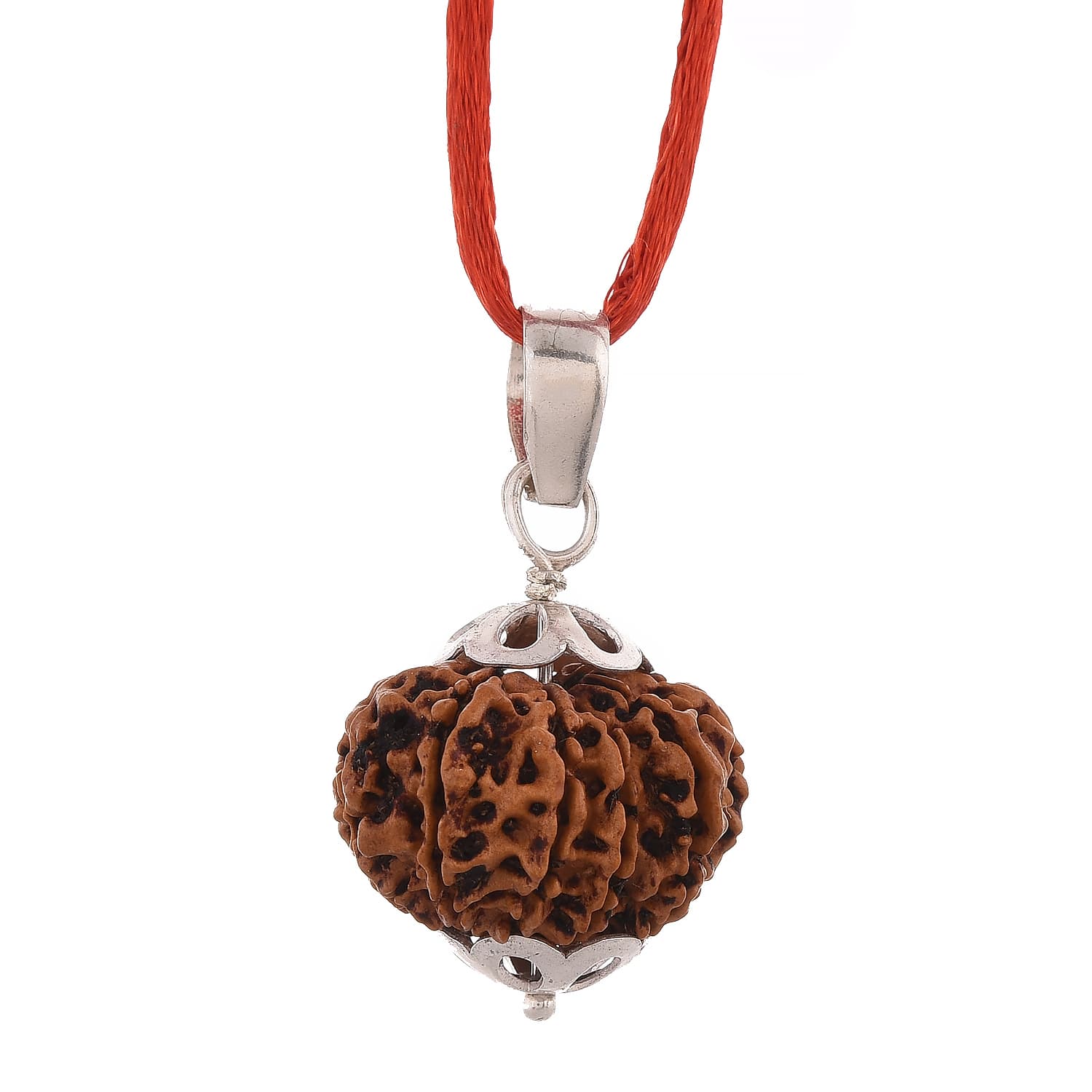
Revered across centuries of Shaiva tradition, the 11 mukhi rudraksha carries the energy of the Eleven Rudras and is considered among the more contemplative beads in the entire mukhi family.
Amorfos · 5 min read
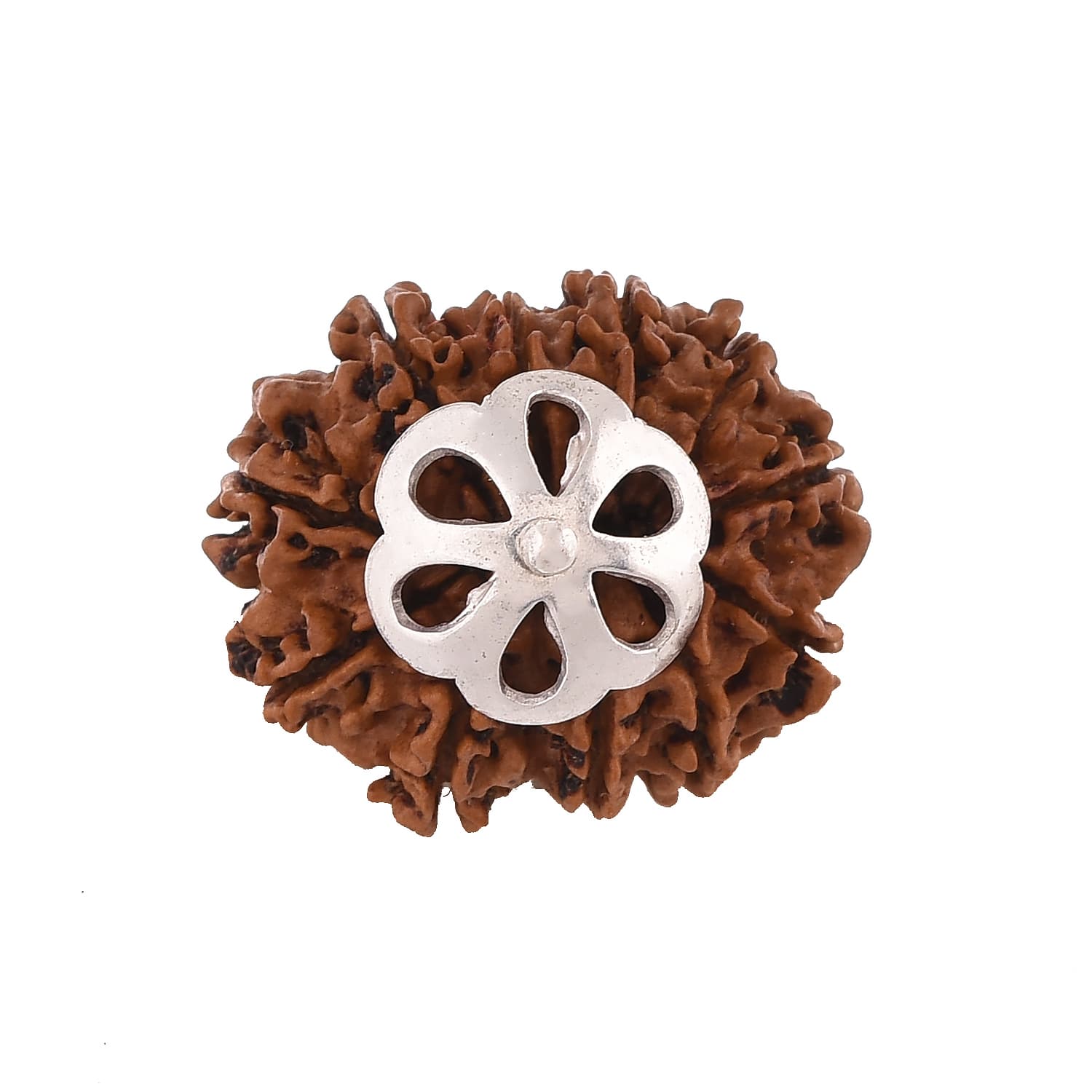
Within the quiet grammar of rudraksha tradition, each bead tells a story written long before it reached the wearer's palm. The 11 mukhi rudraksha — distinguished by eleven clearly defined faces, or mukhis, running along its surface — occupies a particularly profound place in that story. It is a bead that invites stillness, and its meaning is best understood not through modern assertion but through the ancient texts and living traditions from which it emerges.
The Number Eleven in Shaiva Cosmology
In the Shaiva tradition, the number eleven holds deep cosmological significance. The Rudras — manifestations of Shiva in his most elemental, transformative form — are traditionally counted as eleven. These are not eleven separate deities so much as eleven expressions of a single divine force: the force that dissolves, purifies, and ultimately liberates. The Yajurveda and subsequent Puranic literature enumerate these eleven Rudras by name, and it is their collective presence that is said to reside within the eleven faces of this particular bead.
This association gives the 11 mukhi rudraksha an unusually composite energy — not the singular focus of a 1 mukhi or the planetary precision of a 9 mukhi, but something more like a chord: layered, resonant, and opening outward in multiple directions at once.
Ruling Deity: Hanuman and the Eleven Rudras
Across the major classical texts on rudraksha — including the Shiva Purana and the Padma Purana — the presiding deity most consistently cited for the 11 mukhi is Hanuman, the devoted son of Vayu and himself considered by many traditions to be the eleventh Rudra. This dual association — Hanuman as an individual deity and as the embodiment of the entire Rudra collective — gives the bead a character that balances devotion with an underlying current of Shiva's cosmic energy.
Hanuman is at once the most accessible of the Rudras and the most complete — a bridge between the human aspiration for devotion and the divine capacity for transformation.
Astrologers and pandits who recommend this bead to seekers often point to these twin associations as the reason it is considered suitable for a wide range of people — those drawn to Hanuman bhakti, those undertaking long periods of sadhana, and those navigating transitions that require both courage and equanimity.
Traditional Associations and Who Wears It
The 11 mukhi rudraksha is traditionally worn on the recommendation of experienced astrologers and pandits, who consider a seeker's birth chart, temperament, and spiritual inclination before suggesting a particular mukhi. That said, certain patterns do emerge across traditional guidance.
- Those engaged in regular meditation or pranayama practice, as the bead is traditionally associated with breath, concentration, and inward focus.
- Individuals for whom astrologers identify a need to strengthen self-discipline or overcome habitual obstacles.
- Devotees of Hanuman who wish to deepen their personal practice through a bead that carries his signature energy.
- Seekers undergoing significant life transitions — career, relocation, relationship — where clarity and steadiness are felt to be especially valuable.
- Those interested in the broader Shaiva tradition who wish to work with the energy of the eleven Rudras collectively.
It is worth stating clearly: we make no medical or curative claims for the 11 mukhi rudraksha or any other bead. The associations described here are rooted in traditional Indian knowledge systems and are offered for cultural and spiritual context. Any decision to wear a rudraksha should be made in consultation with a knowledgeable astrologer or pandit.
Nepal vs Indonesia: Understanding the Origins
The rudraksha tree, Elaeocarpus ganitrus, grows primarily across the Himalayan foothills of Nepal and the tropical islands of Indonesia, particularly Java. Beads from both origins are genuine rudraksha, and both carry the traditional mukhi markings — though there are meaningful differences that an informed buyer should understand.
Nepali 11 mukhi rudraksha beads tend to be larger, with more pronounced mukhis and a texture that many consider more visually distinctive. They are generally rarer, and their size makes them popular as pendant beads or centrepieces in malas. Indonesian beads, by contrast, are typically smaller and smoother, lending themselves well to wrist malas and jewellery settings where a more refined profile is preferred. Neither origin is inherently superior — the choice often comes down to personal resonance, intended use, and the guidance of the astrologer or pandit you consult.
At Amorfos, every 11 mukhi rudraksha — whether of Nepali or Indonesian origin — is Lab Certified, ensuring that the mukhi count is genuine and the bead is authentic Elaeocarpus ganitrus. We believe that the integrity of the bead begins with the integrity of what is written on the certificate.
How to Wear and Care for the Bead
Traditional guidance recommends that a rudraksha be energised through a simple prana pratishtha ritual before first wearing — a process that a family priest or pandit can guide you through. The bead may be set in silver or gold wire, strung on silk thread, or worn as part of a larger mala, depending on personal practice and the recommendation you have received.
- Remove the bead before bathing in chlorinated water, swimming pools, or hot springs, as harsh chemicals can dry the surface over time.
- Wipe the bead occasionally with a small amount of sesame oil on a soft cloth to maintain its lustre.
- Store in a clean, dedicated space — ideally a small pouch or box kept on your puja shelf when not worn.
- Avoid placing it on the ground or in spaces considered energetically impure in your own tradition.
A Bead Worth Knowing
The 11 mukhi rudraksha does not announce itself loudly. It is not among the most commonly discussed beads in popular discourse, and perhaps that is fitting — its associations with contemplation, inner steadiness, and devotion suggest a bead that reveals itself gradually, to those who come to it with intention. Whether you are drawn to it through astrological guidance, through Hanuman bhakti, or simply through a quiet pull you cannot quite name, it is a bead that rewards attention.
All 11 mukhi rudraksha beads at Amorfos are sourced with care, Lab Certified for authenticity, and presented as they have always been meant to be encountered — with honesty, reverence, and the knowledge that some things carry meaning that precedes any certificate.
Good to know
- Which deity is associated with the 11 mukhi rudraksha?
- According to classical texts including the Shiva Purana and Padma Purana, the presiding deity of the 11 mukhi rudraksha is Hanuman, who is himself considered by many traditions to be the eleventh Rudra. The bead is also associated with the collective energy of the eleven Rudras — elemental manifestations of Shiva referenced in Vedic and Puranic literature.
- What is the difference between a Nepali and an Indonesian 11 mukhi rudraksha?
- Both are genuine rudraksha from the Elaeocarpus ganitrus tree. Nepali beads tend to be larger with more pronounced mukhis, making them popular as pendant beads. Indonesian beads are typically smaller and smoother, better suited to wrist malas and jewellery settings. The choice between origins is often guided by personal preference, intended use, and the advice of your astrologer or pandit. All Amorfos beads of both origins are Lab Certified.
- Who should wear the 11 mukhi rudraksha?
- The 11 mukhi rudraksha is traditionally worn on the recommendation of astrologers and pandits, who assess a seeker's birth chart and personal circumstances before offering guidance. It is commonly recommended to those engaged in regular meditation or pranayama, devotees of Hanuman, and individuals navigating significant life transitions. We encourage you to consult a knowledgeable astrologer or pandit before choosing any rudraksha bead.
Rudraksha is traditionally worn on the recommendation of astrologers and pandits. We make no medical or miraculous claims. Every Amorfos bead is Lab Certified for authenticity and origin.