Mukhi guides
13 Mukhi Rudraksha: The Bead of Indra
Presided over by Indra and Kamadeva, the 13 mukhi rudraksha carries centuries of tradition around charm, influence, and Venusian grace. A rare bead, worn on the recommendation of astrologers and pandits across India.
Amorfos · 5 min read
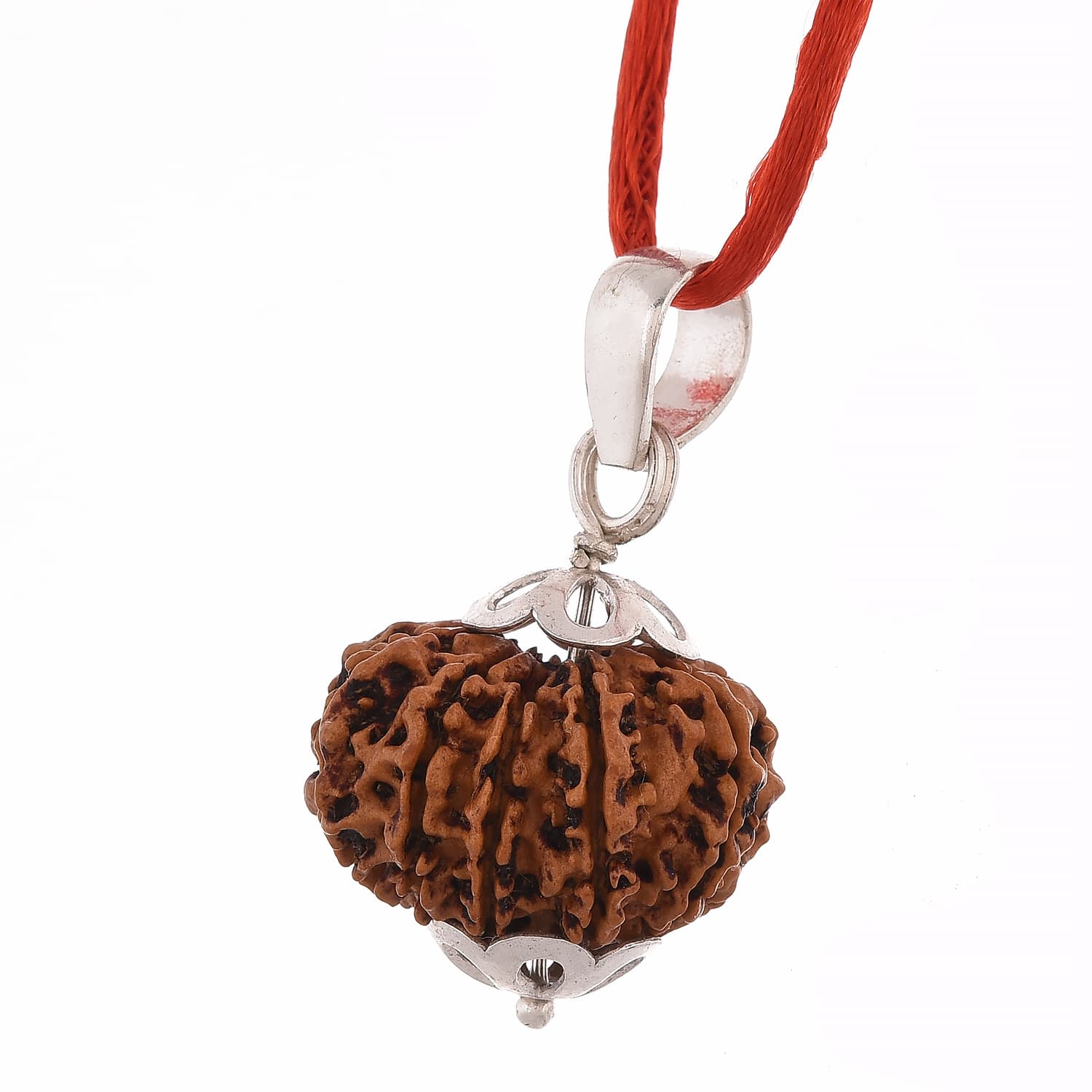
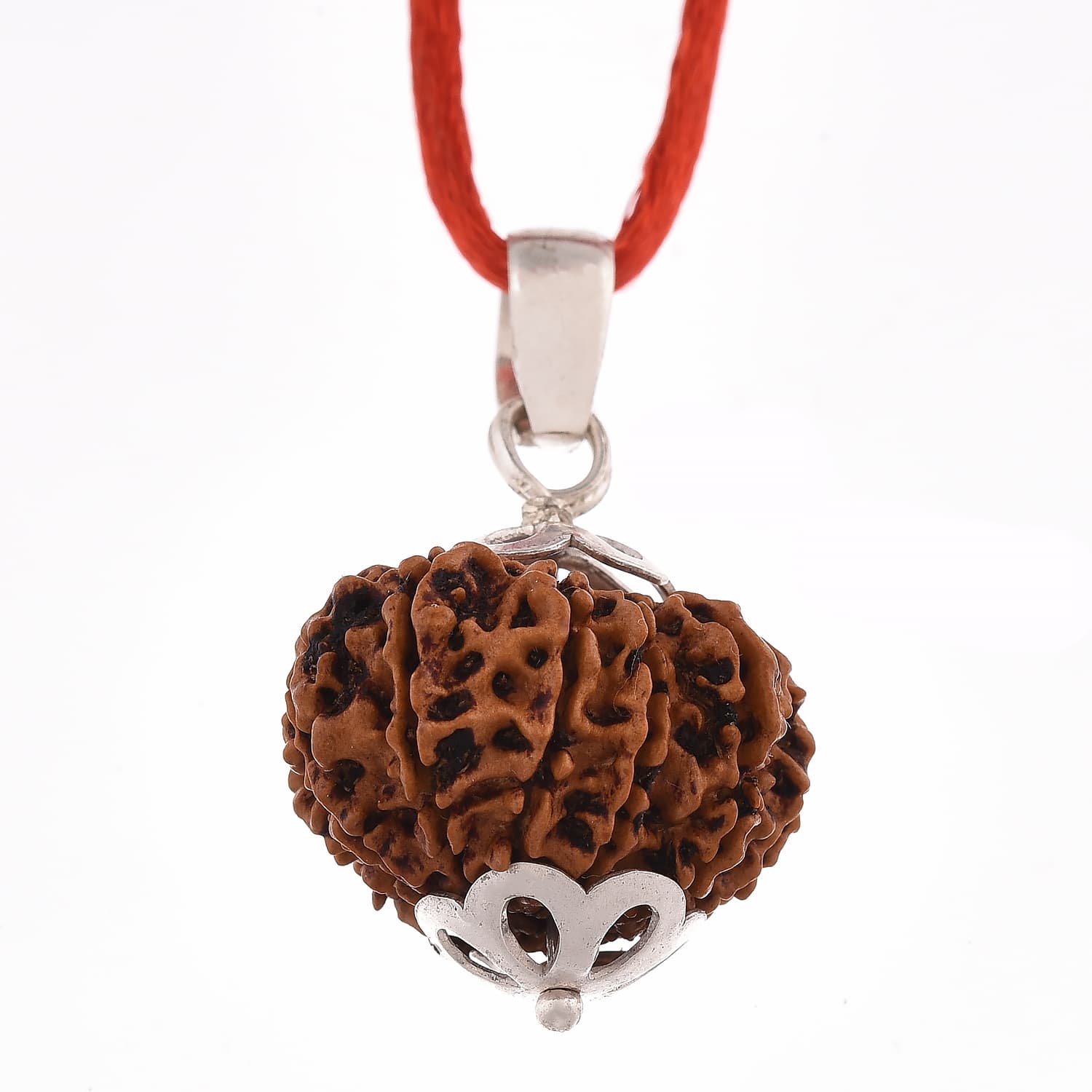
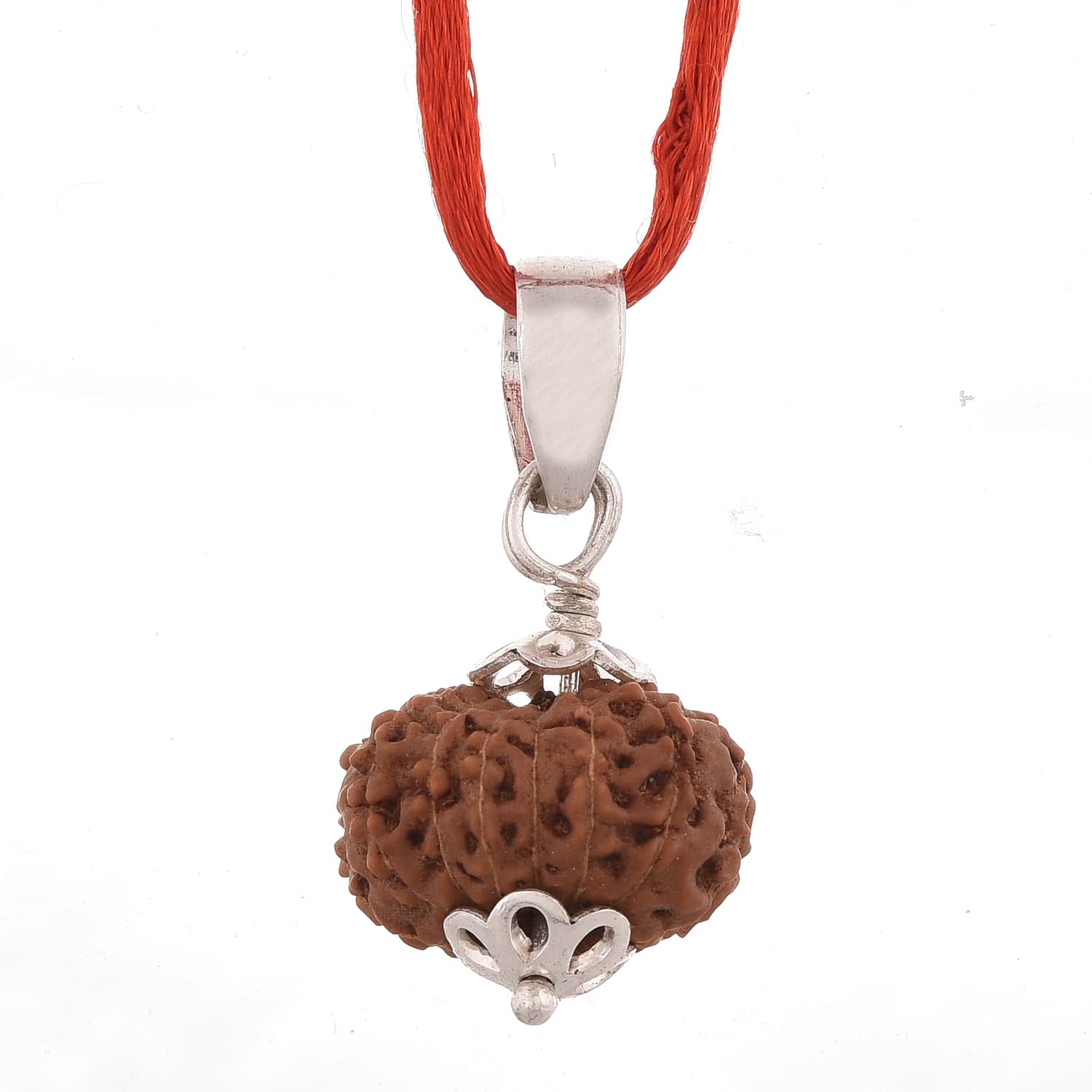
Among the rarer mukhis in the Rudraksha lineage, the 13 mukhi occupies a quietly distinguished place. Its surface carries thirteen natural facets — each line running from crown to base, unhurried and precise — and in the old Sanskrit texts it is named the bead of Indra, lord of the heavens and the celestial realm. To hold one is to sense something older than fashion, something that has been passed between devoted hands for a very long time.
Ruling Deities: Indra and Kamadeva
Tradition records two presiding deities for the 13 mukhi rudraksha. The first and primary is Indra — Devaraja, king of the gods, associated in the Vedic imagination with sovereignty, abundance, and the power to draw good fortune toward oneself. The second is Kamadeva, the god of love and desire, whose presence in the bead's mythology lends the thirteen-faced bead its long-standing reputation for charm and personal magnetism. These are not modern interpretations; they appear in classical Rudraksha texts such as the Shiva Purana and the Padma Purana, which outline the mukhi count alongside the deity each face invokes.
Ruling Planet: Venus
In Jyotish — the Indian system of Vedic astrology — the 13 mukhi rudraksha is traditionally linked to Shukra, or Venus. Shukra governs beauty, desire, the arts, material comfort, and the quality of one's relationships. Astrologers and pandits who recommend this bead often do so for individuals whose Shukra placement in the birth chart calls for strengthening or pacification. The correspondence between Kamadeva's domain and Venus's portfolio is not coincidental; both inhabit the same conceptual space of grace, attraction, and refinement.
The thirteen-faced bead pleases Indra, the lord of the gods. It bestows on the wearer all manner of earthly and heavenly attainments.
Traditional Associations
The 13 mukhi rudraksha is traditionally worn on the recommendation of astrologers and pandits for its associations with eloquence, personal influence, and the cultivation of harmonious relationships. In older practice it was considered auspicious for those in roles that require persuasion, diplomacy, or creative expression — poets, traders, diplomats, and those seeking to cultivate deeper bonds. It is also mentioned in some traditions as being supportive of meditation and inner stillness, reflecting Indra's role not merely as a warrior-king but as a keeper of cosmic order.
- Deity: Indra (primary), Kamadeva (secondary)
- Ruling planet in Jyotish: Shukra (Venus)
- Traditional associations: charm, eloquence, personal influence, harmonious relationships
- Classical textual references: Shiva Purana, Padma Purana
- Worn traditionally on the recommendation of astrologers and pandits
Who Wears the 13 Mukhi
Astrologers most commonly recommend this bead to individuals who are navigating significant Shukra periods in their charts — Shukra Mahadasha or Antardasha — or to those whose Venus is debilitated or afflicted by malefic influences. Beyond strictly astrological counsel, pandits at temples and spiritual centres occasionally recommend the 13 mukhi to devotees who are entering new phases of life: a marriage, a new creative pursuit, or a period of public-facing work where warmth and presence are valued. As always, we encourage you to seek guidance from a qualified astrologer or pandit before selecting any Rudraksha for intentional wearing.
Nepal vs Indonesia: Choosing Your Origin
The 13 mukhi rudraksha is available from two primary geographic origins, and both carry genuine traditional standing. Nepalese beads — sourced from the Himalayan foothills of Nepal — are notably larger, with deep, clearly defined mukhis and a robust surface texture. They are considered highly prized in Indian tradition, and their size makes them particularly suited to wearing as a pendant or keeping on a puja altar. Indonesian beads, sourced primarily from Java, are smaller and smoother in appearance, which many wearers find comfortable for everyday use in a mala or bracelet. The spiritual and traditional properties attributed to the bead remain consistent across both origins; the choice is largely one of size, aesthetics, and intended use.
Because the 13 mukhi is rarer than the more common 5 or 7 mukhi beads, authenticity is a genuine concern in the market. Every 13 mukhi rudraksha at Amorfos is individually Lab Certified before it reaches you — each bead tested for its natural facet count and botanical authenticity, with documentation included in the packaging. We do not compromise on this, because we believe the integrity of the bead matters as much as its origin.
Wearing and Care
The classical texts suggest Monday as an auspicious day to first wear a Rudraksha, ideally after a morning bath and a brief prayer or intention-setting. The 13 mukhi is traditionally set in silver and worn around the neck, close to the heart or chest. When not worn, it is best kept in a clean, dry place — a wooden box or a piece of natural cloth is traditional. Avoid prolonged exposure to perfumes, chemical soaps, or salt water, and re-oil the bead occasionally with sandalwood or sesame oil to preserve the surface. If at any point you stop wearing it, the bead can be placed respectfully on your puja altar rather than discarded.
Good to know
- Which deity rules the 13 mukhi rudraksha?
- The 13 mukhi rudraksha is traditionally presided over by Indra, the Vedic king of the gods, with Kamadeva — the deity of love and desire — also cited in classical texts such as the Shiva Purana. Together these associations underpin the bead's traditional connection to charm, influence, and Venusian qualities.
- Which planet is associated with the 13 mukhi rudraksha in Jyotish?
- In Vedic astrology the 13 mukhi rudraksha is associated with Shukra, or Venus, the planet of beauty, desire, relationships, and the arts. Astrologers and pandits traditionally recommend this bead to individuals working with Shukra placements in their birth chart.
- Is there a difference between Nepal and Indonesia origin 13 mukhi beads?
- Yes, in a practical sense. Nepalese 13 mukhi rudraksha beads are larger with deeply etched mukhis, making them well-suited to pendants and altar use. Indonesian beads are smaller and smoother, comfortable for daily mala or bracelet wear. Both origins are authentic and carry the same traditional associations. All Amorfos beads are Lab Certified regardless of origin.
Rudraksha is traditionally worn on the recommendation of astrologers and pandits. We make no medical or miraculous claims. Every Amorfos bead is Lab Certified for authenticity and origin.