Mukhi guides
The Deva Mani: Understanding the 14 Mukhi Rudraksha
Among the rarest of all rudraksha beads, the 14 mukhi carries deep roots in both Shaivite and Vaishnava traditions, and is traditionally associated with Lord Hanuman and the planet Saturn.
Amorfos · 5 min read
In the long, careful lineage of rudraksha knowledge — passed from pandit to devotee, from grandmother to grandchild — certain beads are spoken of in hushed, almost reverent tones. The 14 mukhi rudraksha is one of them. Known in classical texts as Deva Mani, or the jewel of the gods, it is among the rarest mukhis found in nature, and among the most sought after by those who come to rudraksha through sincere inquiry rather than passing curiosity.
What Does 14 Mukhi Mean?
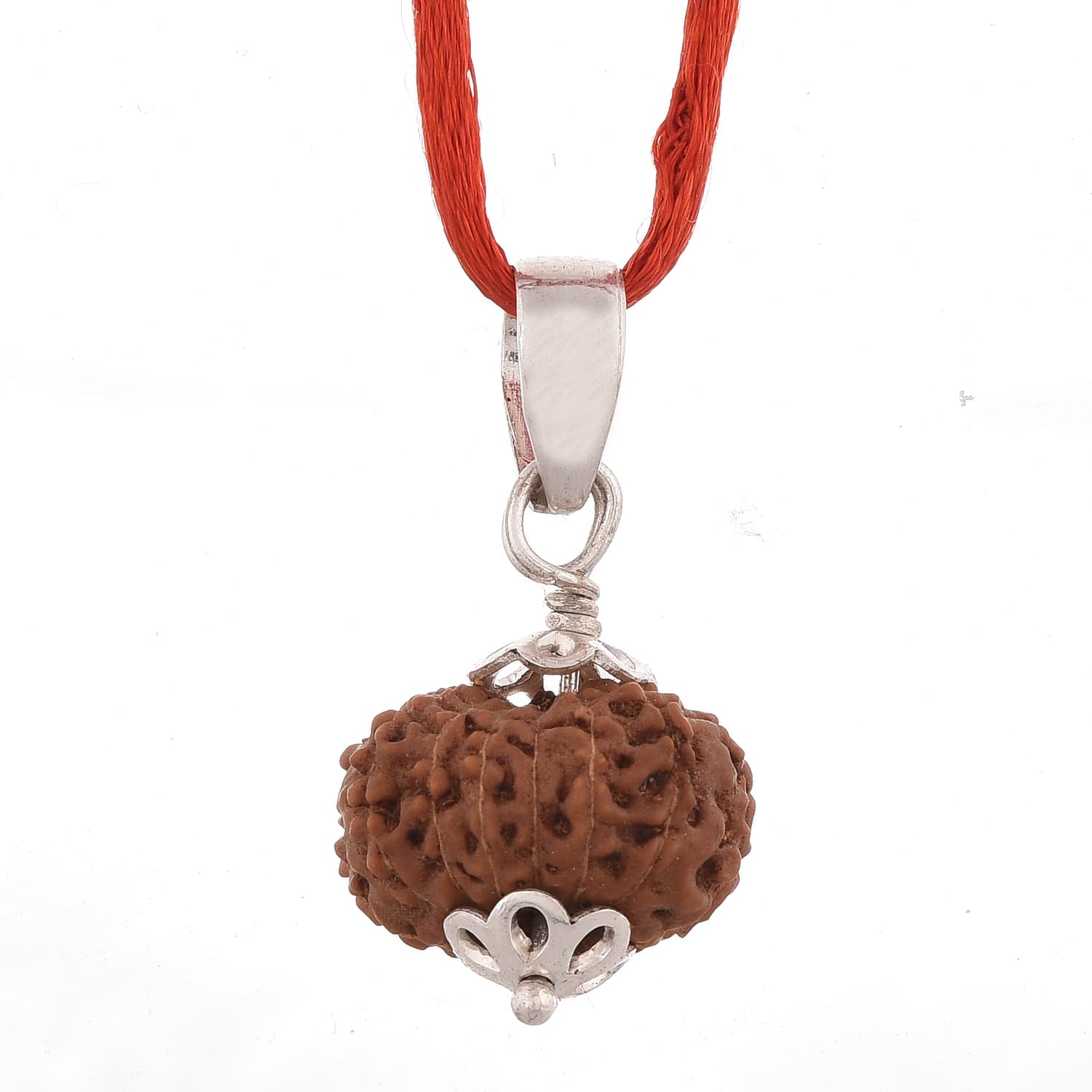
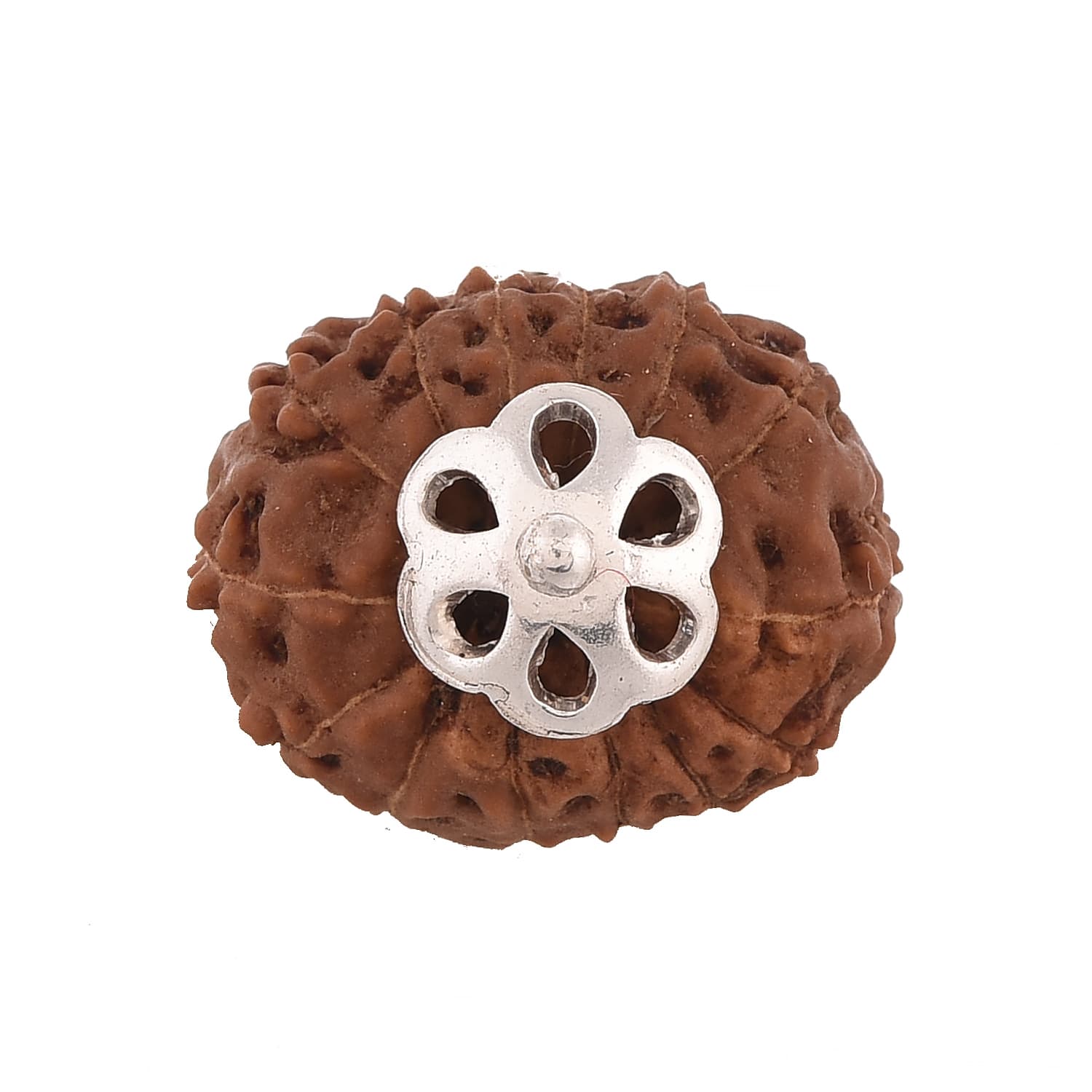
The word mukhi refers to the natural lines — technically called facets or faces — that run from the top to the base of a rudraksha bead. These lines form during the growth of the fruit on the Elaeocarpus ganitrus tree and are not carved or added. A 14 mukhi bead has fourteen such naturally occurring lines dividing its surface. The count of mukhis is the primary means by which a bead is identified in traditional texts, and each number carries its own set of associations, deities, and recommended uses.
Ruling Deity: Hanuman and the Deva Mani Tradition
Classical rudraksha texts and oral traditions within Shaivite and Vaishnava lineages associate the 14 mukhi with Lord Hanuman — the embodiment of devotion, strength, and disciplined consciousness. This association is also reflected in the bead's epithet, Deva Mani, a title that speaks to its elevated standing among all mukhis. Some texts additionally reference a connection to Lord Shiva in the form of Paramashiva. The dual acknowledgement across both traditions speaks to the bead's rare position — it sits at an intersection that few mukhis occupy.
Deva Mani — the jewel of the gods. It is a name the 14 mukhi has carried across centuries of unbroken tradition.
Ruling Planet: Saturn
In Jyotish — classical Indian astrology — every rudraksha mukhi is mapped to a planetary influence. The 14 mukhi rudraksha is traditionally governed by Saturn, known in Sanskrit as Shani. Saturn is considered a slow, deliberate, profoundly karmic planet in Jyotish, associated with discipline, perseverance, the fruits of long labour, and the working out of past actions. Its influence is considered powerful and, when afflicted in a birth chart, is often the reason an astrologer or pandit recommends a bead of this nature.
Who Wears the 14 Mukhi Rudraksha?
At Amorfos, we take care to present rudraksha as a tradition rather than a remedy. The 14 mukhi rudraksha is traditionally worn on the recommendation of astrologers and pandits — particularly by those navigating extended Saturn cycles such as Sade Sati or Shani Dasha, or by those whose birth chart shows Saturn in a position that calls for spiritual attention and grounding. It is also worn by practitioners with a deep personal devotion to Hanuman, as a way of aligning one's daily consciousness with the qualities he embodies.
- Those advised by a Jyotish astrologer during Saturn-related planetary periods
- Devotees of Lord Hanuman seeking a tangible anchor for their practice
- Practitioners who work with mantra, meditation, or other disciplined sadhana
- Those drawn to the bead through sincere study of rudraksha shastra
We always encourage those new to rudraksha to seek guidance from a knowledgeable astrologer or pandit before choosing a bead of this significance. The tradition exists precisely to give these choices their proper weight.
Nepal or Indonesia: What Is the Difference?
The Elaeocarpus ganitrus tree grows across a wide Himalayan and South-East Asian belt, and the two most recognised origins in the rudraksha trade are Nepal and Indonesia. Nepal-origin beads are generally larger, with more pronounced mukhis and a distinctly robust surface texture. Their size and clarity of facets make them a traditional favourite for wearing as a pendant or for use in puja. Indonesian beads, by contrast, are typically smaller and more uniform — often preferred for stringing into malas or for those who find a subtler bead more fitting for daily wear.
In the case of the 14 mukhi, both origins are considered equally valid within tradition — origin does not alter the mukhi count or its associated meaning. What matters most, as traditional experts have always maintained, is the integrity of the bead: that the mukhis are natural, unaltered, and the bead is whole. This is precisely why every 14 mukhi rudraksha at Amorfos is Lab Certified, giving you documented assurance of authenticity before it reaches your hands.
Caring for a 14 Mukhi Rudraksha
A rudraksha of this rarity deserves considered care. Traditional guidance suggests keeping it clean and dry when not worn, anointing it occasionally with a small amount of pure sesame or sandalwood oil to maintain the wood's suppleness, and, if it is being worn as a pendant, having it capped in silver or gold to protect the bead itself. Some practitioners prefer to keep the bead on their altar and wear it only during prayer — both approaches have their place within tradition, and neither is more correct than the other.
What tradition does ask, with some consistency, is that a rudraksha of significance be treated with intention. It is not an accessory in the conventional sense. Received with awareness, kept with care, and worn with at least a gesture of the respect the tradition asks for, it becomes something steadier than mere ornament.
Good to know
- What is the ruling deity of the 14 mukhi rudraksha?
- Classical rudraksha texts and traditional lineages associate the 14 mukhi rudraksha with Lord Hanuman. It is also known by the epithet Deva Mani, and some texts additionally reference Lord Shiva in the form of Paramashiva. The bead holds a rare position within both Shaivite and Vaishnava traditions.
- Which planet is associated with the 14 mukhi rudraksha?
- In Jyotish, the classical Indian system of astrology, the 14 mukhi rudraksha is governed by Saturn — known as Shani. This is why it is traditionally worn on the recommendation of astrologers and pandits, particularly during Saturn-related planetary periods such as Sade Sati or Shani Dasha.
- Is a Nepal 14 mukhi better than an Indonesian one?
- Within tradition, origin does not alter the mukhi's significance or its deity and planetary associations. Nepal beads tend to be larger with more pronounced facets, making them popular as pendants; Indonesian beads are generally smaller and often preferred for malas. Both are authentic. What matters most is that the bead is natural and unadulterated — which is why all Amorfos rudraksha beads are Lab Certified.
Rudraksha is traditionally worn on the recommendation of astrologers and pandits. We make no medical or miraculous claims. Every Amorfos bead is Lab Certified for authenticity and origin.