Mukhi guides
3 Mukhi Rudraksha: The Bead of Agni
Governed by Agni, the Vedic lord of fire, and associated with Mars, the 3 Mukhi Rudraksha carries one of the oldest and most elemental associations in the Rudraksha tradition. It is a bead that speaks of inner fire, clarity of purpose, and the courage to move forward.
Amorfos · 5 min read
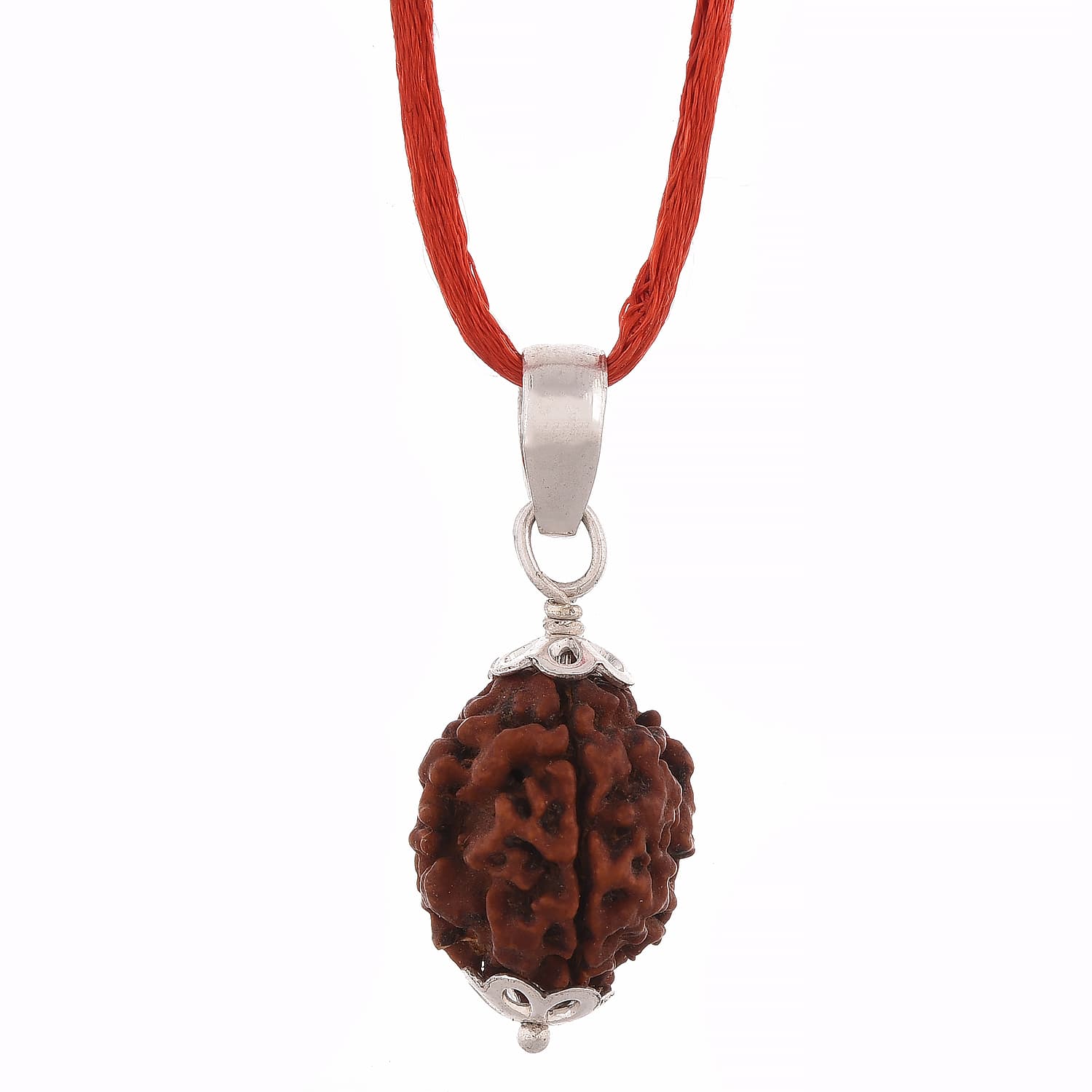
Within the quiet grammar of Rudraksha tradition, each bead carries its own lineage of meaning. The 3 Mukhi Rudraksha — distinguished by three natural lines, or mukhis, running from cap to tip — is among the most elemental. Its presiding deity is Agni, the Vedic god of fire, and its ruling planet is Mars. Together, these associations have made it a bead of particular significance in Indian astrological and spiritual practice for centuries.
The Three Lines and What They Represent
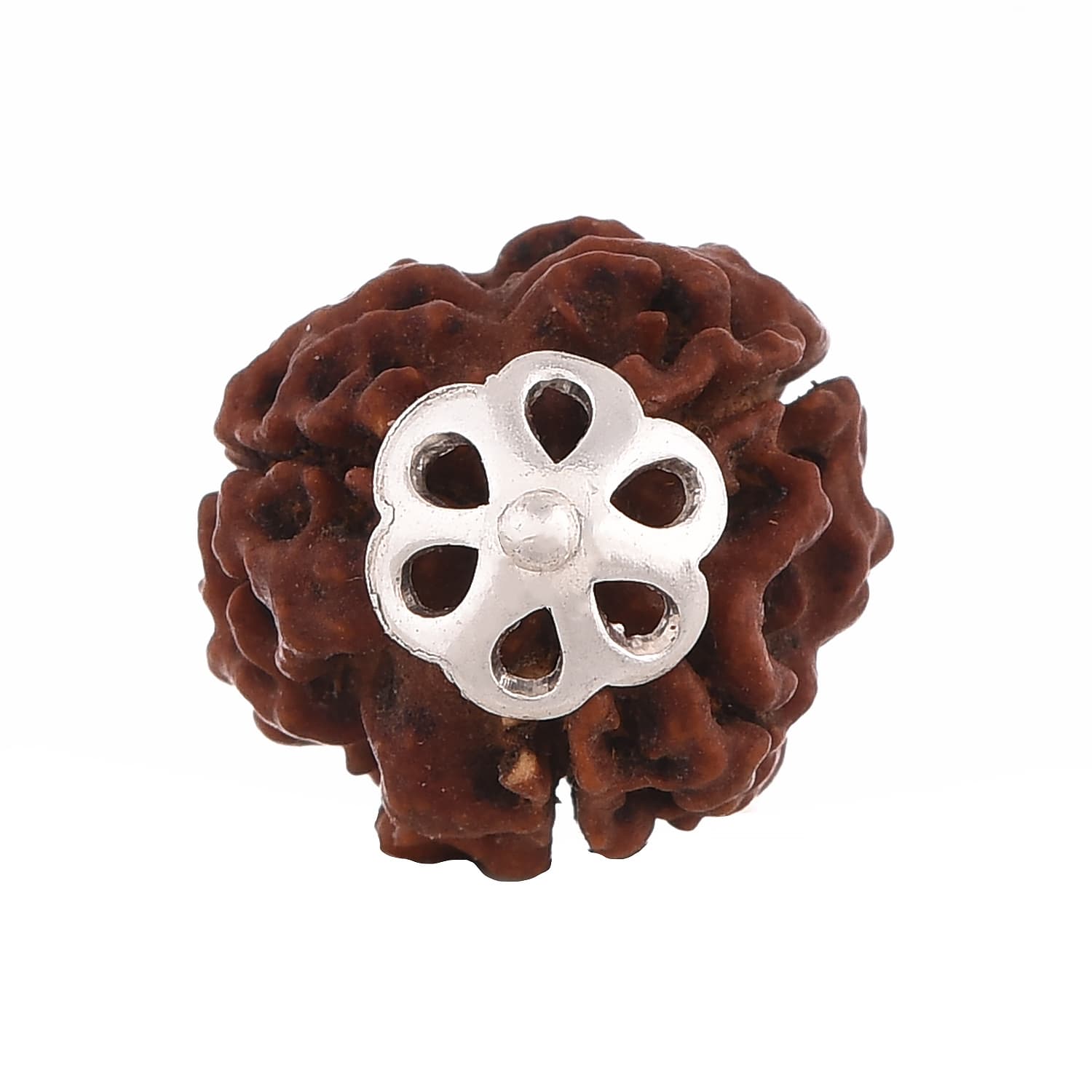
The mukhi — the natural cleft or line — is not decorative. It is the structural identity of every Rudraksha bead, formed as the fruit develops on the Elaeocarpus ganitrus tree. A 3 Mukhi bead has three such lines, dividing the surface into three equal segments. In traditional texts, these three faces are understood to represent the trinity of Brahma, Vishnu, and Mahesh, though the presiding deity specifically invoked for this mukhi is Agni — the witness to all sacred rites, the carrier of offerings, the transformative force at the centre of Vedic ritual.
Agni: The Presiding Deity
Agni holds a singular place in the Vedic world. He is the first deity invoked in the Rigveda, the divine messenger between the human and the sacred. As the god of fire, Agni is associated with purification, transformation, digestion — both literal and metaphorical — and the burning away of what no longer serves. To wear a bead consecrated to Agni is, in the traditional view, to carry that quality of clarifying fire with you.
Agni is the mouth of the gods, the carrier of oblations, the first among priests. He who honours Agni is never without warmth or light.
Mars: The Ruling Planet
In Jyotish, the classical system of Indian astrology, each Rudraksha mukhi is linked to a planetary influence. The 3 Mukhi is governed by Mars — known as Mangal or Kuja in Sanskrit. Mars is the planet of will, vitality, courage, and decisive action. It rules Aries and Scorpio, governs the blood and the muscular system in traditional body-mapping, and is considered the commander-in-chief among the Navagrahas. A well-placed Mars in a birth chart is associated with ambition, leadership, and the strength to take initiative. When Mars is afflicted, astrologers may observe tendencies toward restlessness, self-doubt, or difficulty in sustaining effort.
Who Wears the 3 Mukhi Rudraksha
The 3 Mukhi Rudraksha is traditionally worn on the recommendation of astrologers and pandits. Those who seek guidance in matters of personal will and decisive action are often directed toward this bead. In practice, it is commonly recommended to:
- Individuals with a weakly placed or afflicted Mars (Mangal dosha) in their Jyotish chart
- Those born under Aries (Mesh) or Scorpio (Vrishchik) lagna, when Mars requires support
- Practitioners undertaking fire-related sadhanas or seeking to deepen a relationship with Agni through daily puja
- Those who have been advised to perform Mars-related remedies as part of a broader astrological prescription
- Individuals navigating periods of self-doubt, procrastination, or loss of inner drive — where an astrologer or pandit identifies a Martian imbalance as the underlying cause
It is worth noting that recommendations are always personal. The wearing of any Rudraksha — including the 3 Mukhi — is most meaningfully undertaken when advised by a knowledgeable astrologer or pandit who has examined one's chart and circumstances. A bead worn with understanding and intention carries far greater weight than one chosen at random.
Origin and Quality: Nepal vs. Java
The 3 Mukhi Rudraksha is found in two primary origins: Nepal and Indonesia (commonly referred to as Java). Nepalese beads are larger, with deeper and more defined mukhis, and are generally considered the premium choice in the Indian tradition — particularly for wearing as a pendant or for ritual use. Indonesian beads are smaller and smoother; they are often strung into malas and carry a more delicate aesthetic. Both origins are considered authentic and carry the same traditional associations. At Amorfos, every 3 Mukhi Rudraksha — whether Nepal or Java origin — is Lab Certified, ensuring the bead is genuine and the mukhi count verified.
Wearing and Care
Traditional practice recommends wearing Rudraksha beads on a Monday or auspicious day chosen by a pandit, following an energisation ritual. The bead is typically set in silver or gold wire and worn around the neck, or occasionally on the right wrist for smaller Indonesian beads. For longevity, Rudraksha should be kept away from chemicals, perfumes, and prolonged immersion in water. A light application of sesame or sandalwood oil every few weeks helps maintain the natural lustre of the bead. When not worn, store it in a clean, dry space — ideally near your puja area.
A Note on Authenticity
The Rudraksha market in India carries a significant proportion of imitation beads — crafted from seeds, wood, or plastic — that bear little resemblance to the genuine article. At Amorfos, we source directly and certify every bead through independent laboratory testing. Our Lab Certified mark means the mukhi count, species, and authenticity have been independently verified. We believe that a bead worn for spiritual or astrological purposes deserves to be exactly what it claims to be.
Good to know
- What is the ruling deity and planet of the 3 Mukhi Rudraksha?
- The 3 Mukhi Rudraksha is traditionally associated with Agni, the Vedic deity of fire, and is governed by the planet Mars (Mangal) in Jyotish astrology.
- Who should wear a 3 Mukhi Rudraksha?
- The 3 Mukhi Rudraksha is traditionally worn on the recommendation of astrologers and pandits — most often by those with an afflicted Mars in their birth chart or those undertaking fire-related spiritual practices. We recommend consulting a qualified Jyotish astrologer before wearing any Rudraksha.
- How do I know if my 3 Mukhi Rudraksha from Amorfos is genuine?
- Every 3 Mukhi Rudraksha sold by Amorfos is Lab Certified, meaning its authenticity, species, and mukhi count have been independently verified. We do not sell uncertified beads.
Rudraksha is traditionally worn on the recommendation of astrologers and pandits. We make no medical or miraculous claims. Every Amorfos bead is Lab Certified for authenticity and origin.