Mukhi guides
9 Mukhi Rudraksha: The Bead of Maa Durga & Ketu
The 9 mukhi rudraksha carries one of the most revered associations in the entire rudraksha tradition — Maa Durga in her nine divine forms, and the shadow planet Ketu. Here is what the texts and pandits have long said about this bead.
Amorfos · 5 min read
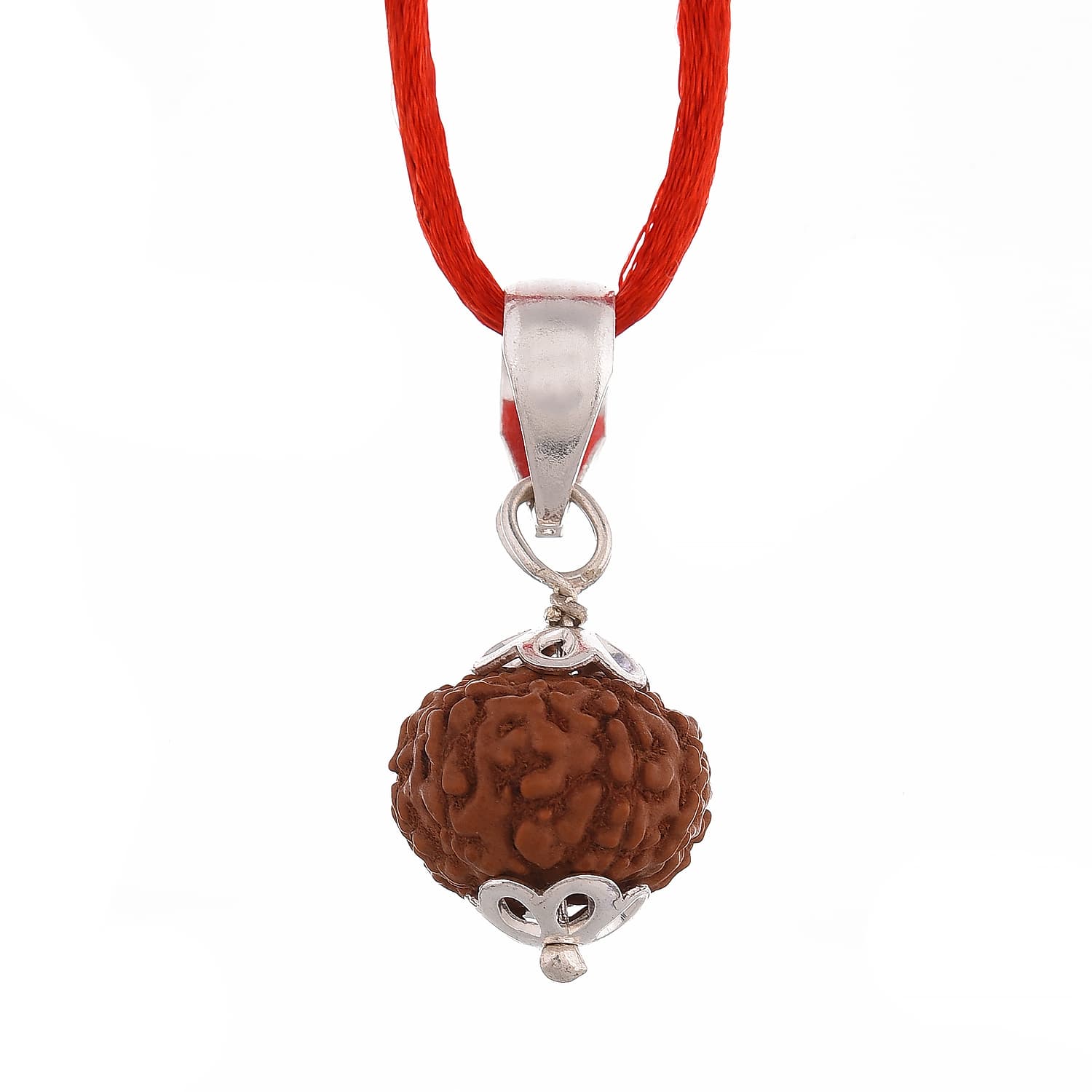
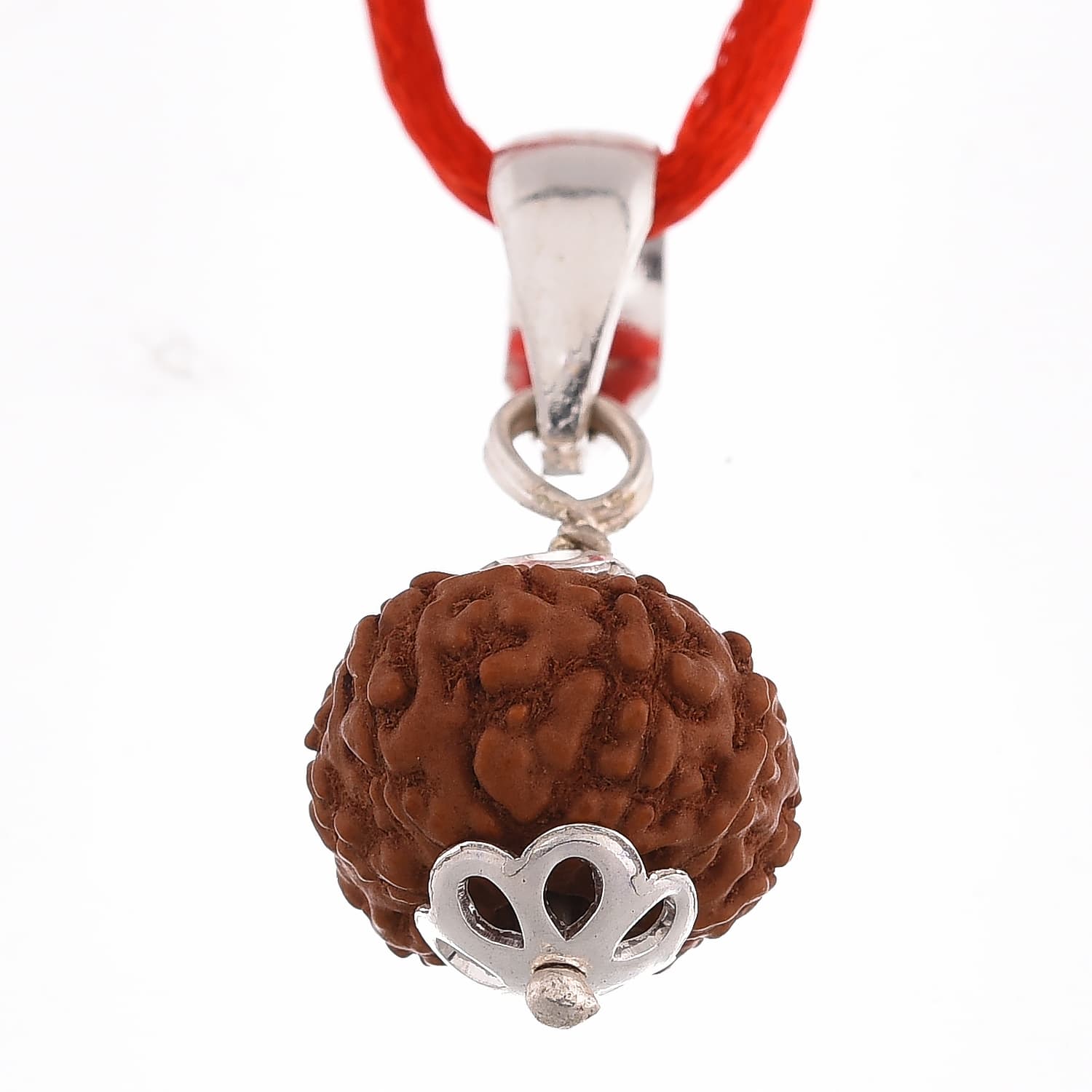
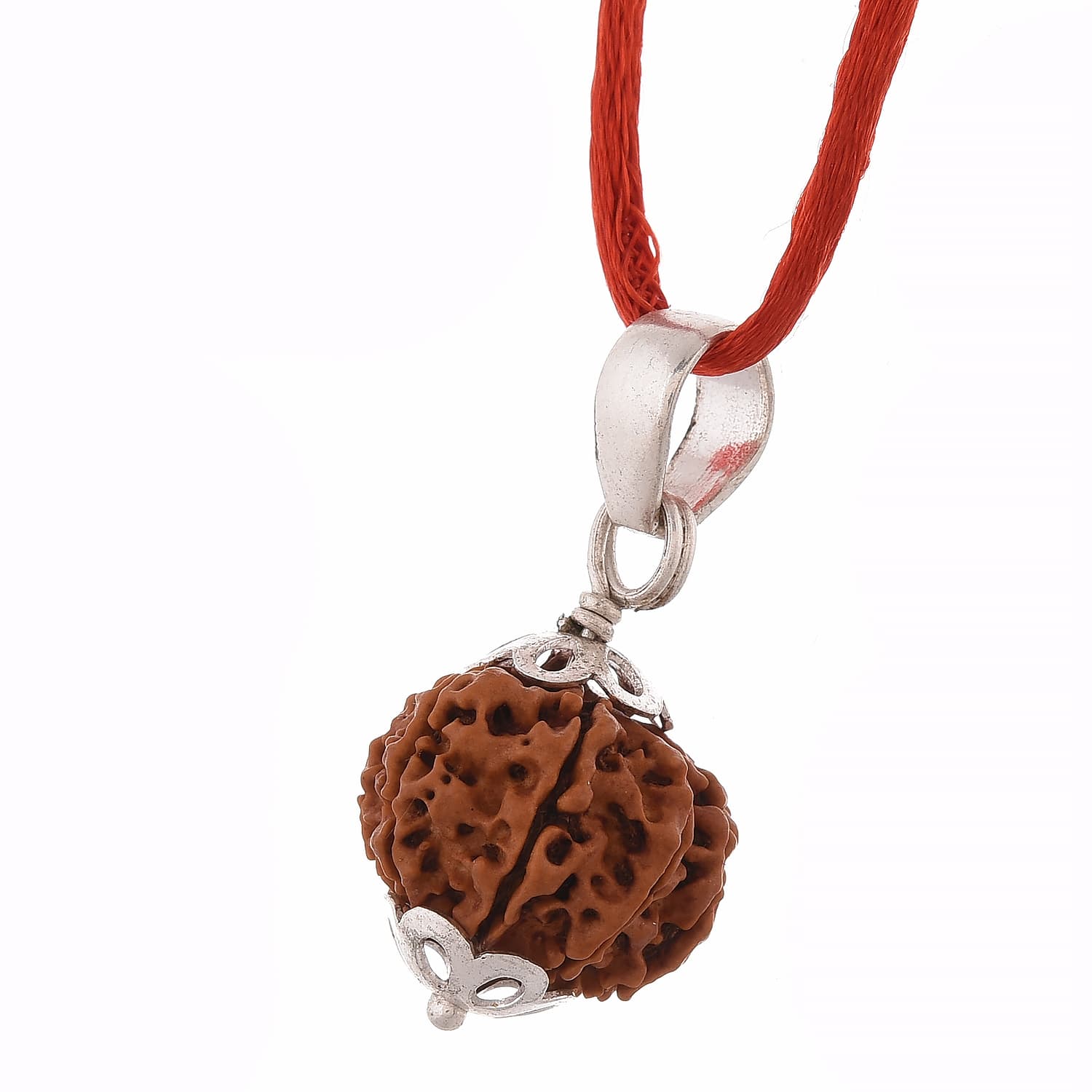
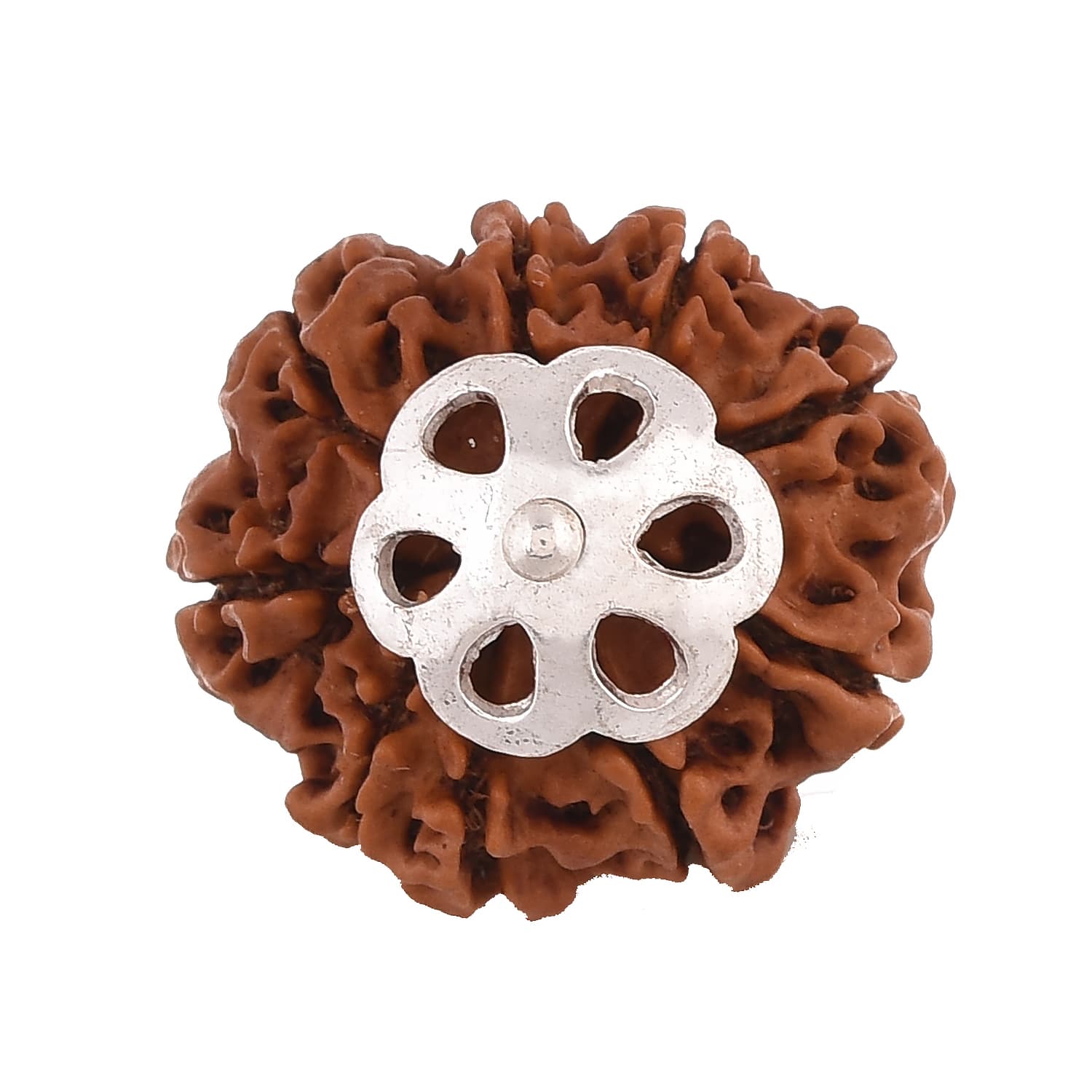
Among the range of mukhi rudraksha, the nine-faced bead occupies a place of quiet reverence. Its nine lines — each mukhi a natural groove running from crown to base — are said in classical texts to embody the nine manifestations of Maa Durga, collectively worshipped as Navadurga. It is a bead that carries both the weight of fierce feminine energy and the subtle, inward quality of the planet Ketu. To hold one is, in a sense, to hold a very old conversation between the earth and the divine.
The Ruling Deity: Maa Durga & the Navadurga
The presiding deity of the 9 mukhi rudraksha is Maa Durga — specifically in her nine forms: Shailaputri, Brahmacharini, Chandraghanta, Kushmanda, Skandamata, Katyayani, Kalaratri, Mahagauri, and Siddhidatri. Together these forms are known as Navadurga and are honoured across nine nights during Navaratri, one of the most widely observed festivals in the Hindu calendar. Wearing this bead is therefore understood, within tradition, as an act of devotion to the Goddess in her complete, unified aspect — not merely one facet of her nature, but all nine at once.
Ya Devi Sarvabhuteshu Shakti-rupena Samsthita — 'The Goddess who resides in all beings as energy.' — Devi Mahatmyam
The Devi Mahatmyam and several Puranic references position Durga as the supreme force that protects and sustains. In the context of rudraksha tradition, pandits and Shakta practitioners have long regarded the 9 mukhi as the bead most closely aligned with invoking her protective grace. It is particularly associated with the quality of shakti — the animating, protective energy that the Goddess embodies.
The Ruling Planet: Ketu
In Vedic astrology, the 9 mukhi rudraksha is governed by Ketu — the south node of the moon, sometimes called the 'headless planet' or Chaya Graha (shadow planet). Ketu is considered a karmic indicator, associated with past lives, spiritual detachment, liberation (moksha), and the quietening of the ego. Unlike the other planets, it has no physical body in the sky; its influence is felt inward rather than outward.
Astrologers who work within the Jyotish tradition often recommend the 9 mukhi rudraksha to those navigating a significant Ketu mahadasha or antardasha — periods lasting up to seven years in which Ketu's karmic themes come to the forefront. It is worn, traditionally, not to resist these themes but to move through them with greater steadiness and inner clarity.
Who Wears the 9 Mukhi Rudraksha?
The 9 mukhi rudraksha is traditionally worn on the recommendation of astrologers and pandits. Seekers on a devotional or spiritual path, particularly those with a Shakta inclination or a strong connection to Devi worship, are often guided towards this bead. It is also recommended to those undergoing challenging Ketu periods in their Jyotish charts, as well as practitioners of meditation who seek a quieter, more inward quality in their practice.
- Those undergoing Ketu mahadasha or antardasha, on the guidance of a qualified Jyotishi
- Devotees of Maa Durga and Shakti traditions
- Practitioners of meditation and those drawn to inner inquiry
- Those who observe Navaratri as a central part of their practice
- Anyone seeking a bead traditionally associated with the feminine divine in her most complete expression
As with all rudraksha, we would always encourage wearing based on guidance from a trusted astrologer or pandit who understands your specific chart and needs. Rudraksha are not worn casually in the traditional view — they are chosen with intention, often after a puja, and worn with consistency.
Nepal vs Indonesia: Understanding the Origins
The 9 mukhi rudraksha is sourced from two primary origins: Nepal and Indonesia (principally Java). Both are genuine Elaeocarpus ganitrus — the botanical species from which all true rudraksha come — but there are meaningful differences that affect the choice a wearer makes.
Nepali 9 mukhi beads are larger, with deeper, more pronounced mukhis (faces). The surface has a robust, almost sculptural quality. They are grown at higher altitudes in the Himalayan foothills and are traditionally considered the most prized, particularly for single beads worn as a pendant or set in metal. Their size and clarity of lines make authentication and lab certification more straightforward, and they carry a certain presence that many wearers find arresting.
Indonesian 9 mukhi beads are smaller, rounder, and often used in malas or multi-bead configurations. Their mukhis are finer and more delicate. They are more accessible in price and can be an excellent choice for those new to rudraksha or for those who prefer a subtler, lighter bead worn daily. Both origins are offered at Amorfos, and both are Lab Certified — the certificate travels with every bead we sell.
How to Wear & Care for a 9 Mukhi Rudraksha
Traditionally, the 9 mukhi is strung in red or gold thread, or set in silver or gold. It is generally worn around the neck, close to the heart or at the throat. Pandits recommend energising (prana pratishtha) the bead with appropriate mantras before first wearing — the beej mantra associated with Maa Durga (Om Hreem Hoom Namah) is frequently cited, though the specific ritual varies by tradition and the individual pandit's guidance.
Care is simple: wipe gently with a soft cloth, keep away from harsh chemicals, and anoint occasionally with a drop of sesame oil to maintain the bead's natural luster. Remove before swimming or bathing. Store wrapped in clean cloth when not being worn.
A Note on Authenticity
The rudraksha market contains a great deal of counterfeiting — carved beads, composite beads, and incorrectly identified mukhis are more common than most buyers realise. At Amorfos, every 9 mukhi rudraksha we offer is Lab Certified before it reaches you. We do not name the laboratory on our product pages, but the certificate accompanies every bead and details the mukhi count, origin, and botanical confirmation. It is a straightforward practice, and one we consider non-negotiable.
Good to know
- Which deity and planet are associated with the 9 mukhi rudraksha?
- The 9 mukhi rudraksha is traditionally associated with Maa Durga in her nine forms (Navadurga) as the ruling deity, and with Ketu — the south node of the moon — as the ruling planet in Vedic astrology.
- Should I choose a Nepal or Indonesia 9 mukhi rudraksha?
- Nepali beads are larger with deeper, more pronounced mukhis and are traditionally preferred for single pendant wear. Indonesian beads are smaller and finer, often used in malas or for everyday wear. Both are genuine Elaeocarpus ganitrus and both are Lab Certified at Amorfos. Your astrologer or pandit can guide you on which suits your intention and practice.
- Who should wear a 9 mukhi rudraksha?
- The 9 mukhi rudraksha is traditionally worn on the recommendation of astrologers and pandits — particularly by those undergoing a Ketu mahadasha, devotees of Maa Durga and Shakti traditions, and practitioners of meditation or inner inquiry. We recommend consulting a qualified Jyotishi before wearing any rudraksha.
Rudraksha is traditionally worn on the recommendation of astrologers and pandits. We make no medical or miraculous claims. Every Amorfos bead is Lab Certified for authenticity and origin.